Daniel González: Red Dreams and the memories we can't trust
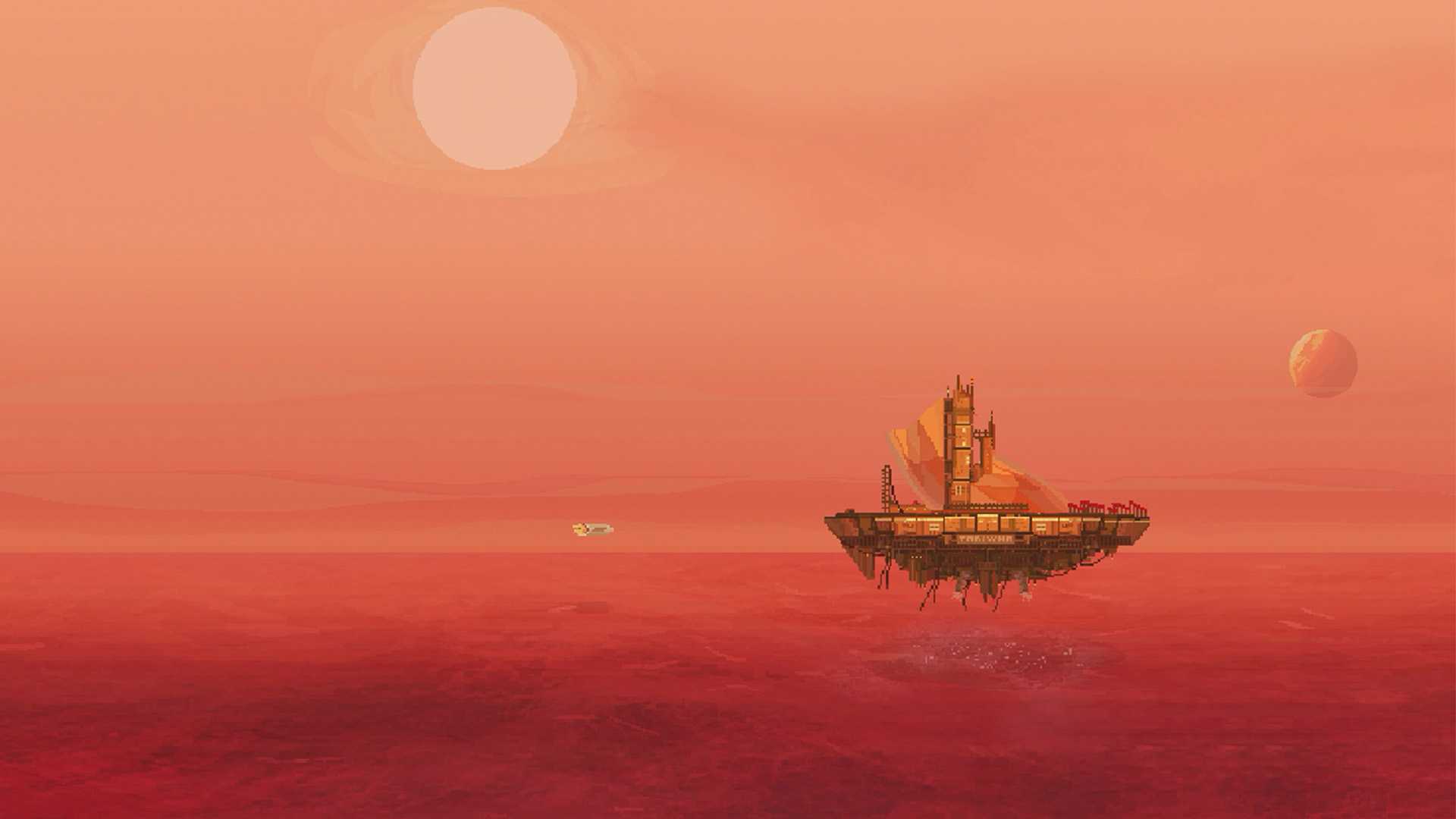
Some conversations deserve a second chapter. After our first interview about Verne: The Shape of Fantasy, Daniel González, Creative Director of the Spanish studio Gametopia, reached out to us once again, this time to unveil Red Dreams. It's a sign of the trust we've built over the years, but above all an opportunity to discover a far more ambitious project: a psychological thriller where memories lie, time bends, and Māori philosophy reshapes the way we think about identity and exploration.
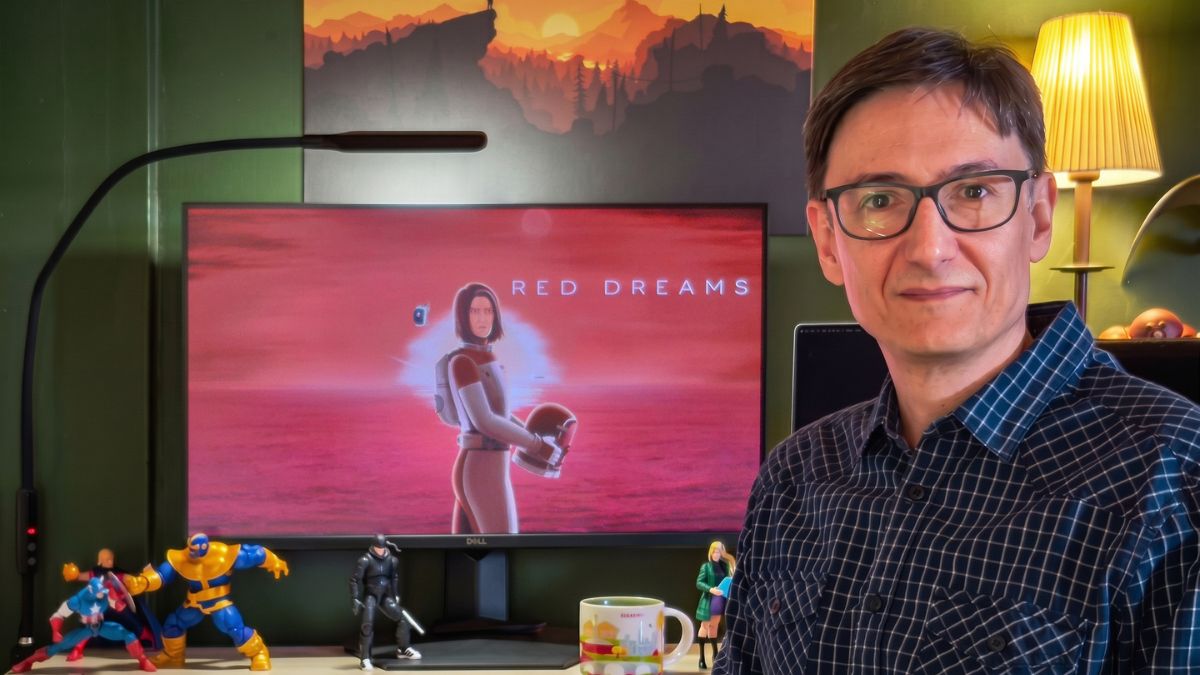
"The chemical composition of Kiwa's ocean is nostalgia + a passion for the unknown."
Red Dreams' Steam page warns: "Don't trust your memory." Before we start doubting everything you're about to tell us, can you pitch Red Dreams in a few words?
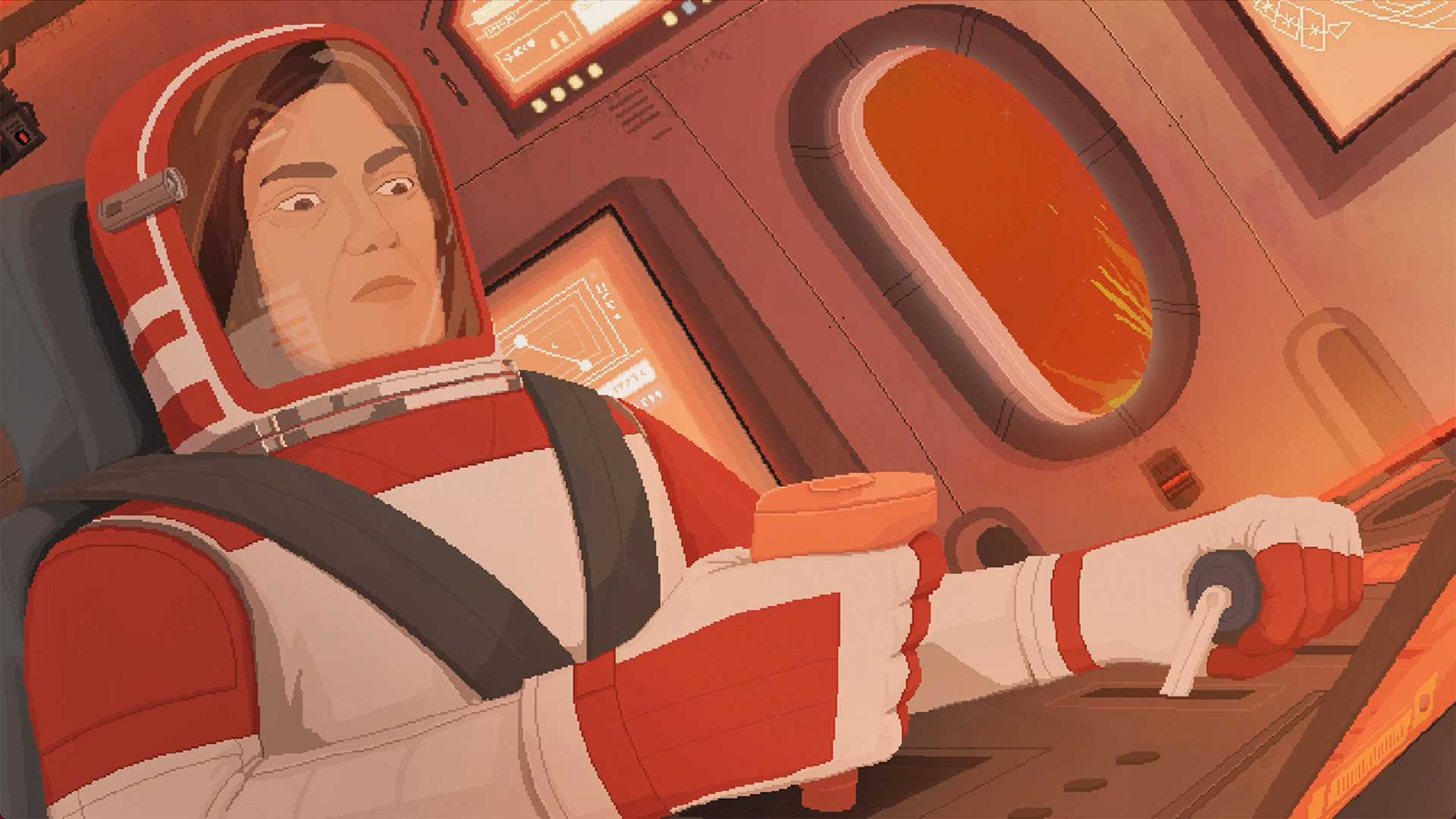
Daniel GonzálezIn Red Dreams, science and ancestral Māori wisdom are the only tools to navigate a world where time moves differently and nothing you remember can be trusted. A psychological thriller grounded in a cultural vision of time, identity, and what it means to be human.
A red ocean that alters memories through dreams, on an exoplanet where time flows differently. It's a dizzying concept. Did the idea come from an image, a nightmare, something you read – or just one too many late nights in Madrid?
Daniel GonzálezThe exoplanet Kiwa has no single origin; its Red Ocean is a blend of memories and emotions ranging from my childhood to the present. Stanislav Lem's Solaris – my favorite novel – is clearly present in Kiwa, as is Andrei Tarkovski's cinema. This is not only because of his adaptation of Solaris, but also because of his later films, such as Nostalghia and The Sacrifice. The idea of time in space has always set my imagination soaring – the thought that we see stars that may no longer exist or that time passes at different speeds depending on velocity. These themes have always fascinated me. As with Verne: The Shape of Fantasy, when I start writing, I always go back to my childhood – not my real childhood, of course, but my memories of it. They are always the happiest and most vivid. So, the chemical composition of Kiwa's ocean is nostalgia + a passion for the unknown.
"Māori culture best represents the human spirit of exploration."
Mere is a Māori astrophysicist – a pretty rare protagonist profile in video games. How did that choice come about, and did it involve any specific research or collaborations to represent her culture with authenticity?
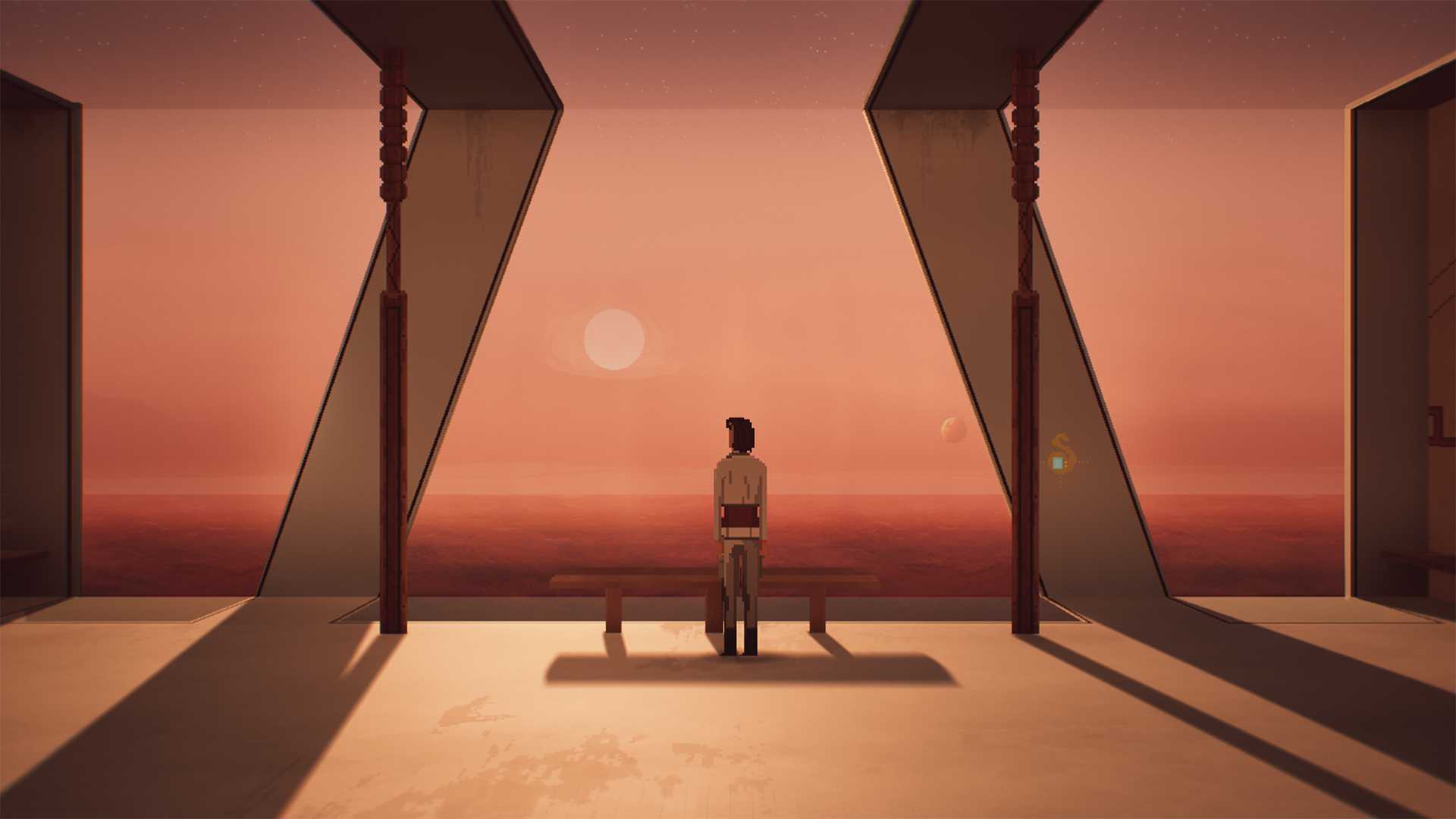
Daniel GonzálezI've been fascinated by Māori culture since I was very young. When I started developing the idea of travelling to an exoplanet – a journey that would essentially be one-way – it was clear to me that Māori culture best represents the human spirit of exploration. Setting out into the Pacific Ocean in a small canoe is akin to venturing into space to explore the unknown.
I was interested in telling this story from a female perspective, about a brilliant astrophysicist who is constantly struggling to escape the shadow of her father – the astrophysicist who discovered the planet and designed the mission.
I really enjoy seeking out places that aren't typically used for storytelling. Also, the underrepresentation of women in STEM fields is a topic that interests me deeply. My wife is an engineer, so I know how complicated that world can be. I'd like my daughter to live in a world where terms like "female astrophysicist" are much more commonplace.
I was interested in telling this story from a female perspective, about a brilliant astrophysicist who is constantly struggling to escape the shadow of her father – the astrophysicist who discovered the planet and designed the mission.
I really enjoy seeking out places that aren't typically used for storytelling. Also, the underrepresentation of women in STEM fields is a topic that interests me deeply. My wife is an engineer, so I know how complicated that world can be. I'd like my daughter to live in a world where terms like "female astrophysicist" are much more commonplace.
"There is drama, but it doesn't dwell on it."
Verne: The Shape of Fantasy was a bittersweet adventure, full of nostalgia. Red Dreams clearly goes somewhere darker – tension, blood, psychological distress. How far does the darkness go, and how do you manage the line between oppressive atmosphere and gratuitous discomfort?
Daniel GonzálezThe balance lies in the main plot: the search for the missing scientist. This provides an opportunity for the characters to relieve the pressures they are under. Each character's story gradually unfolds. Red Dreams has a contemplative and reflective tone in keeping with Māori culture. There is drama, but it doesn't dwell on it. The aim is to encourage players to reflect on their own approach to dealing with problems and memories.
"What is time? Does it really exist?"
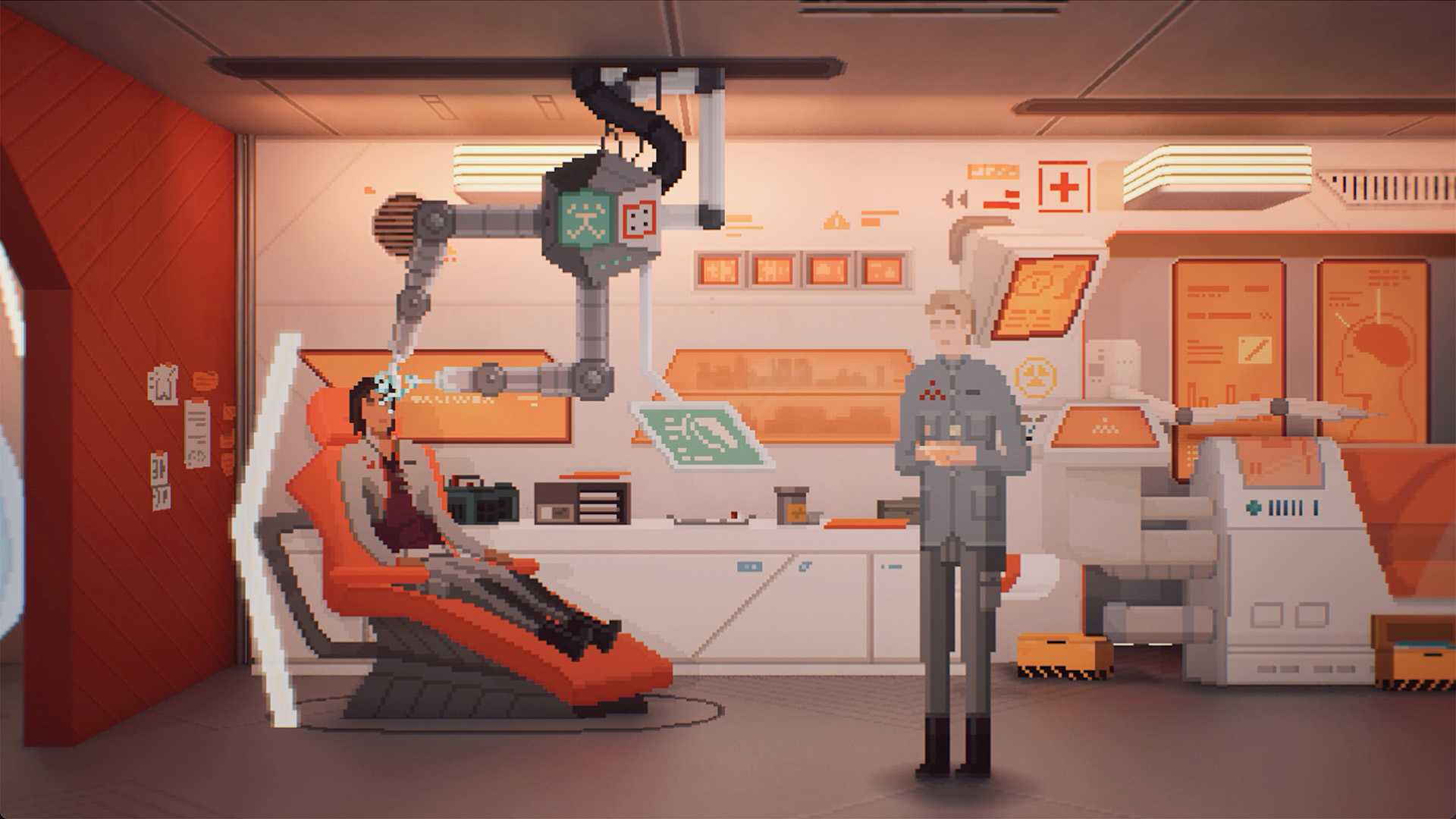
The synopsis stresses that time moves more slowly on Kiwa and that every minute counts. Does that translate into a concrete gameplay mechanic – a timer, timed choices – or is it more of a narrative tension that players feel rather than experience mechanically?
Daniel GonzálezSome puzzles require you to take temporal distortion into account. This is always present in the plot, for example in the isolation and time lag between the people on the exoplanet's surface and their colleagues at the orbital station.
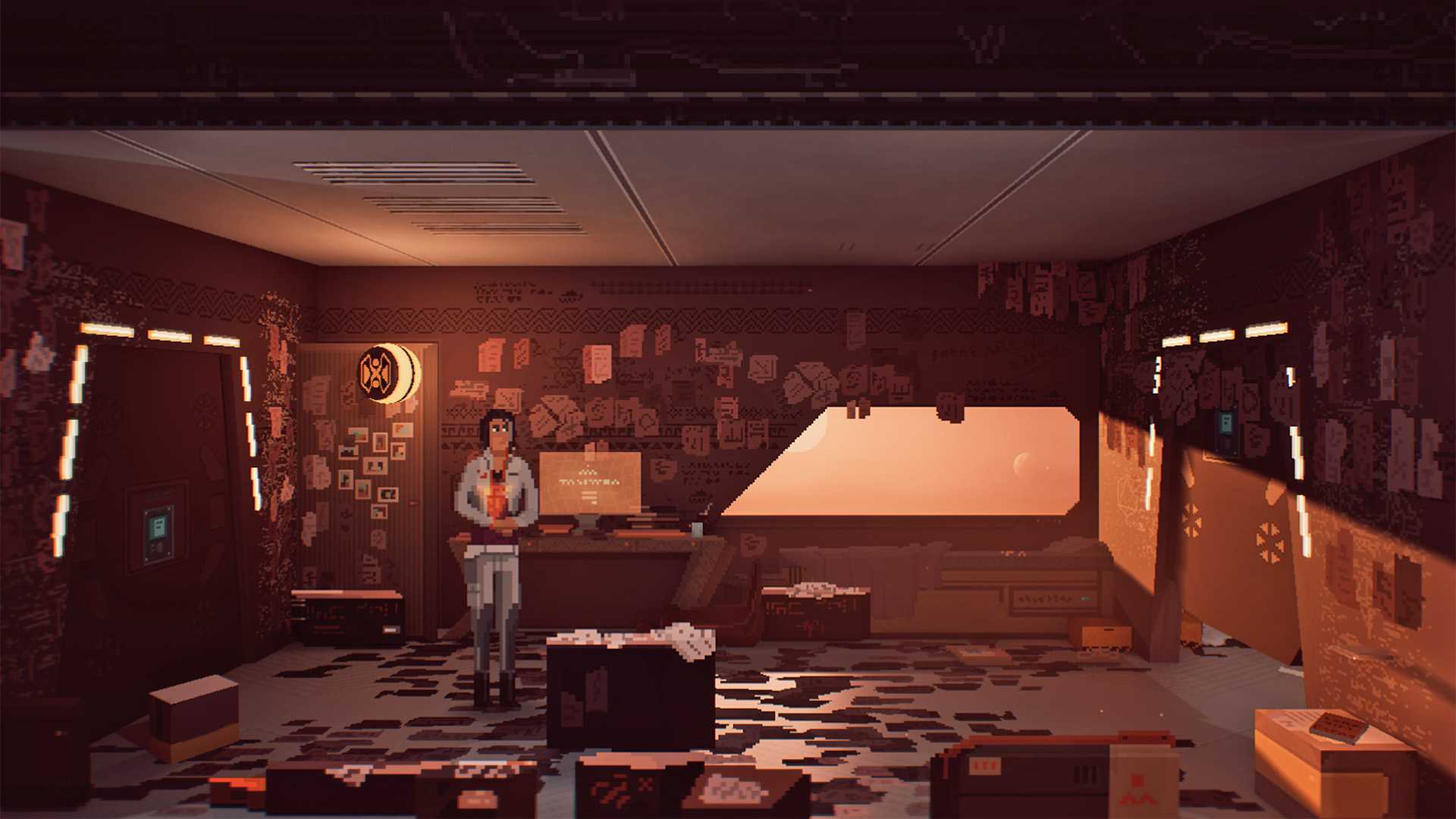
Time is an essential element of the plot because it flows at different speeds. On the one hand, there is the tension of finding Dr Emily Dunne, who has only a few hours of oxygen left; on the other hand, there are Mere's memories, where everything happens much more slowly. Bear in mind that everything that happens is in the past relative to the station in orbit.
An interesting aspect is the Māori perception of time, which is not linear but cyclical and interconnected, with the past, present, and future coexisting. They use the word Wā, which means both "time" and "space".
The question is: what is time? Does it really exist? Or is it simply our perception of entropy, which varies depending on our mental state?
Time is an essential element of the plot because it flows at different speeds. On the one hand, there is the tension of finding Dr Emily Dunne, who has only a few hours of oxygen left; on the other hand, there are Mere's memories, where everything happens much more slowly. Bear in mind that everything that happens is in the past relative to the station in orbit.
An interesting aspect is the Māori perception of time, which is not linear but cyclical and interconnected, with the past, present, and future coexisting. They use the word Wā, which means both "time" and "space".
The question is: what is time? Does it really exist? Or is it simply our perception of entropy, which varies depending on our mental state?
"AFI has doubts and is amazed by the unknown."
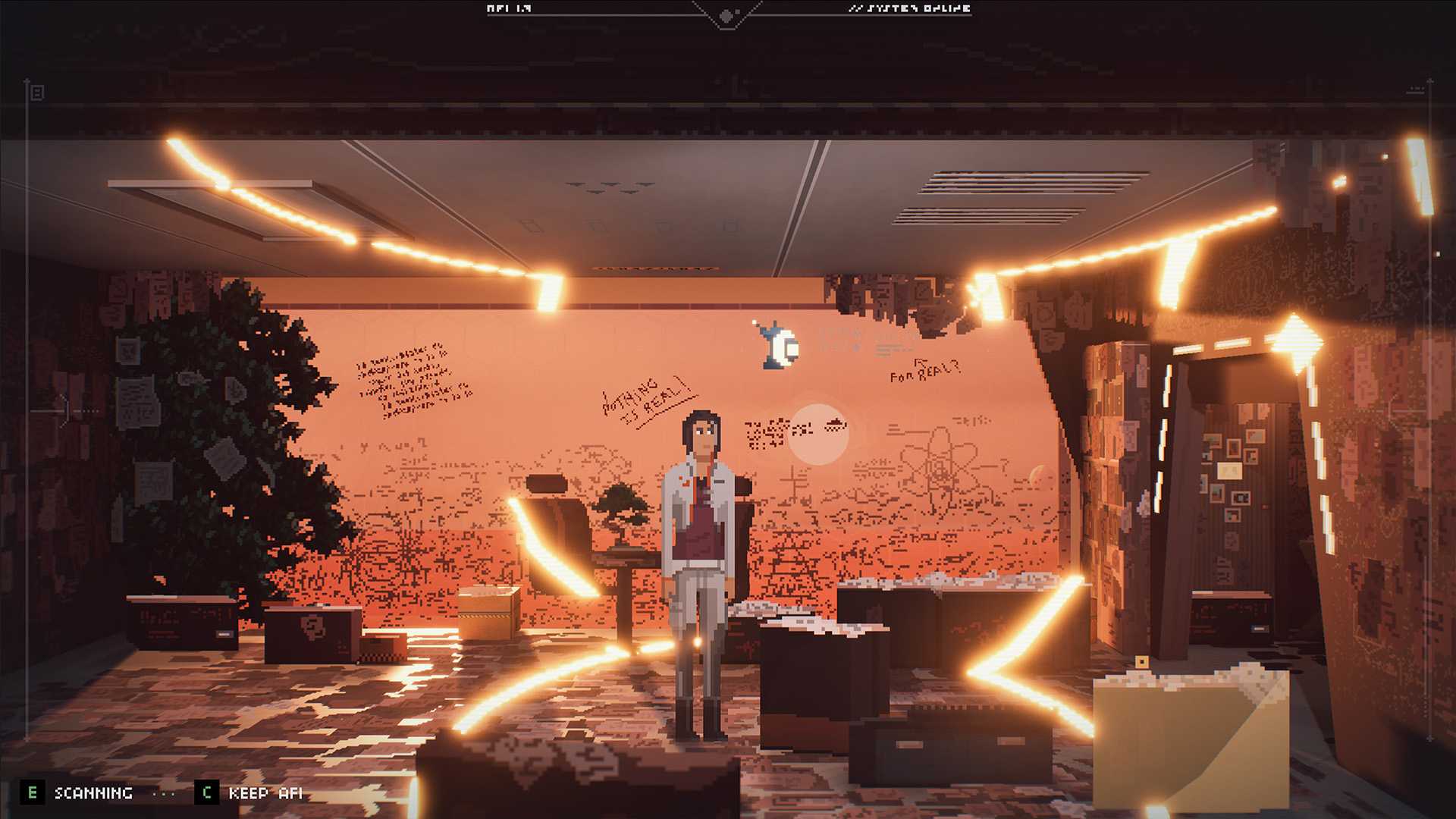
AFI is your artificial assistant in the game – a drone that accompanies you through the investigation and gradually becomes your confidant in this hostile world. How did you approach writing this character to make it more than just a tool? And is there a risk that players might end up caring more about AFI than Emily?
Daniel GonzálezIt would be great if players could connect with AFI in that way. The actor who played AFI has a lovely voice and approached the character from the perspective of a child discovering everything for the first time. I wanted to move away from the classic depiction of a female AI as either an emotionless entity or an elderly figure imparting vast wisdom. AFI has doubts and is amazed by the unknown.
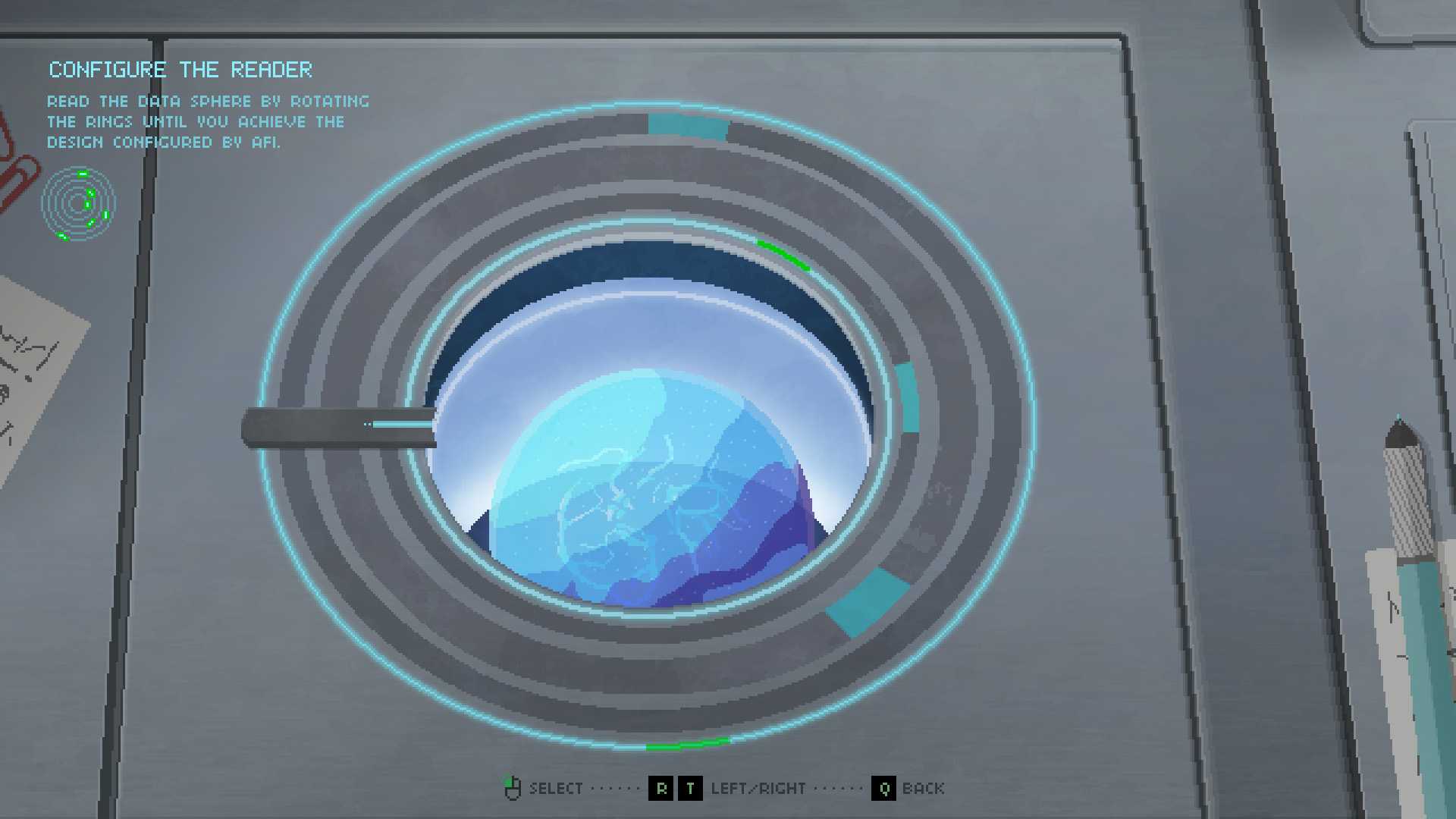
He is a tool for solving certain puzzles and acts as a stress reliever, as being able to talk to someone during a dramatic moment helps you to deal with things better. AFI is the voice of Mere's conscience, which will raise questions for the player too.
He is a tool for solving certain puzzles and acts as a stress reliever, as being able to talk to someone during a dramatic moment helps you to deal with things better. AFI is the voice of Mere's conscience, which will raise questions for the player too.
"The way you play will also have consequences."
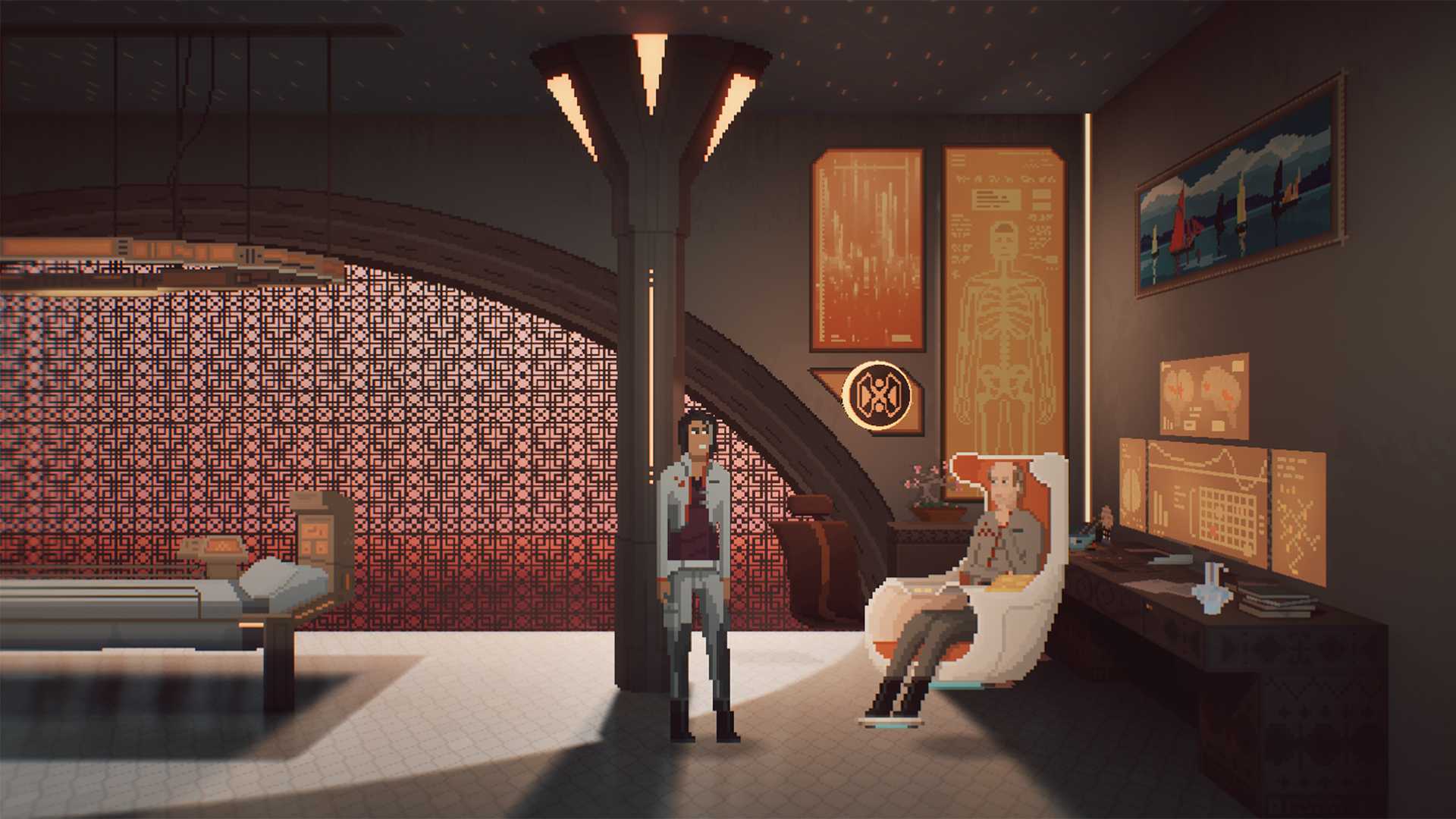
Multiple endings and dialogue choices are part of the game. How much do the player's decisions actually shape the story? Are we talking about genuine branching narratives, or a well-crafted illusion of control, which can be just as satisfying?
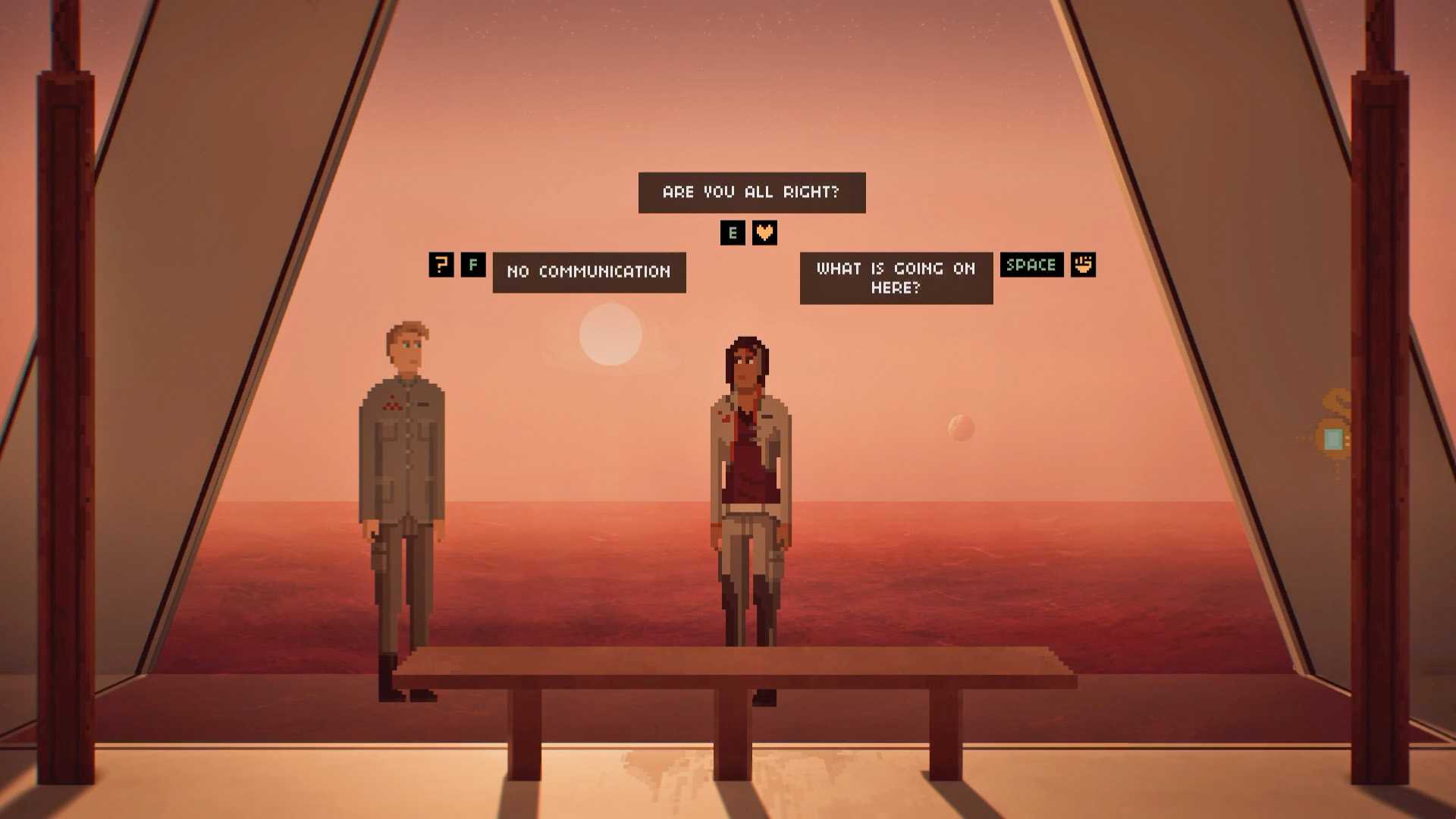
Daniel GonzálezI don't want to create false expectations of a game with infinite possibilities and hundreds of choices. It's an indie game with several key decision points and branching paths, where different things can happen and missions can play out in completely different ways. The choices you make during dialogue influence the information you gather about the world. The way you play – whether more leisurely and exploratory or faster-paced – will also have consequences.
All these small and large decisions lead to one of the possible endings – some more bitter than others, but all consistent with the story. Ultimately, players will be able to view decision statistics to help them better understand their path, encouraging them to replay the game to experience different endings.
All these small and large decisions lead to one of the possible endings – some more bitter than others, but all consistent with the story. Ultimately, players will be able to view decision statistics to help them better understand their path, encouraging them to replay the game to experience different endings.
"85% of the work is still artisanal pixel art."
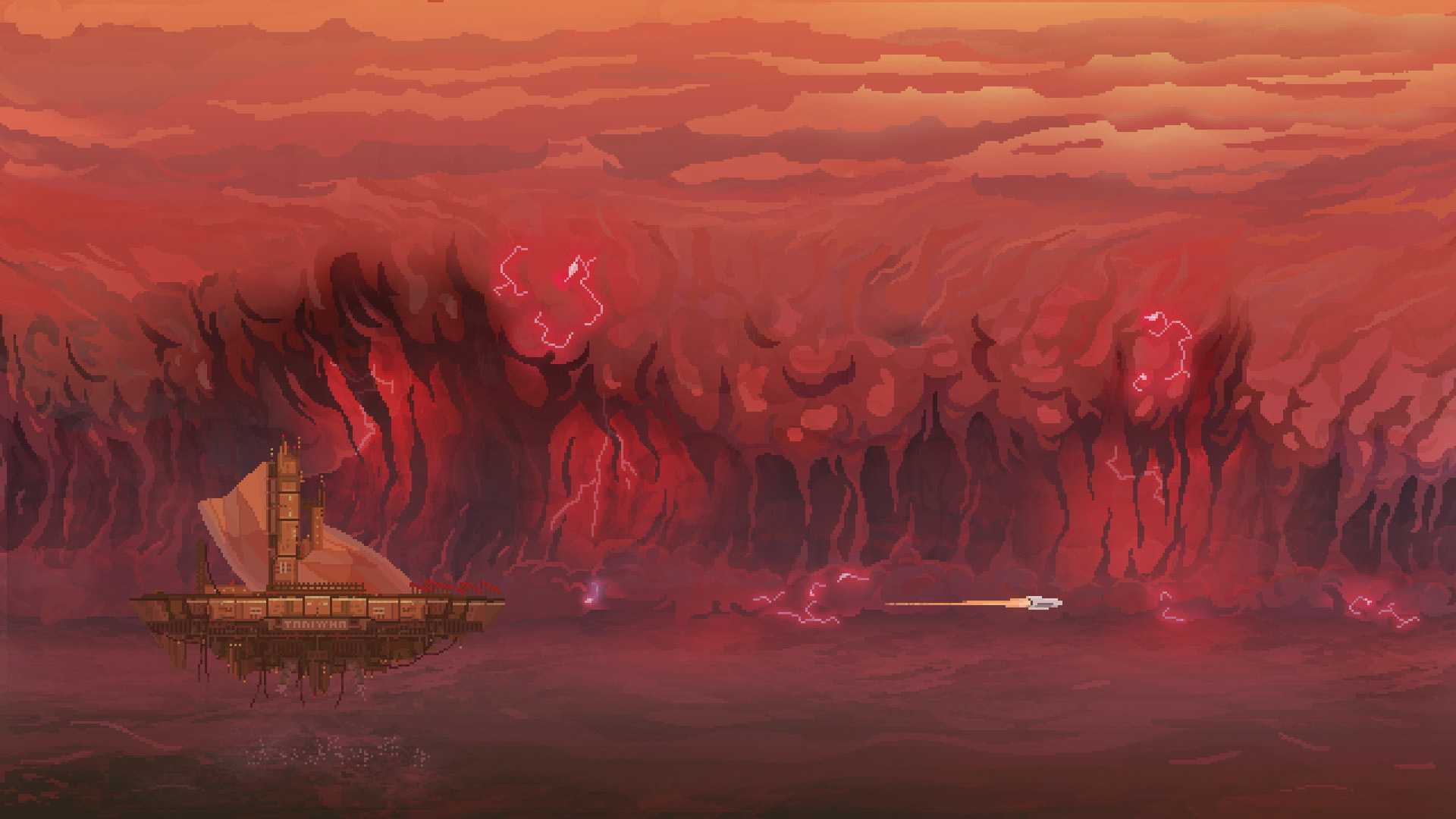
Gametopia stays true to its visual identity – detailed pixel art – but now set within 3D environments. Was this 2.5D approach a technical challenge or more of a creative liberation? And do you still draw every sprite by hand yourself?
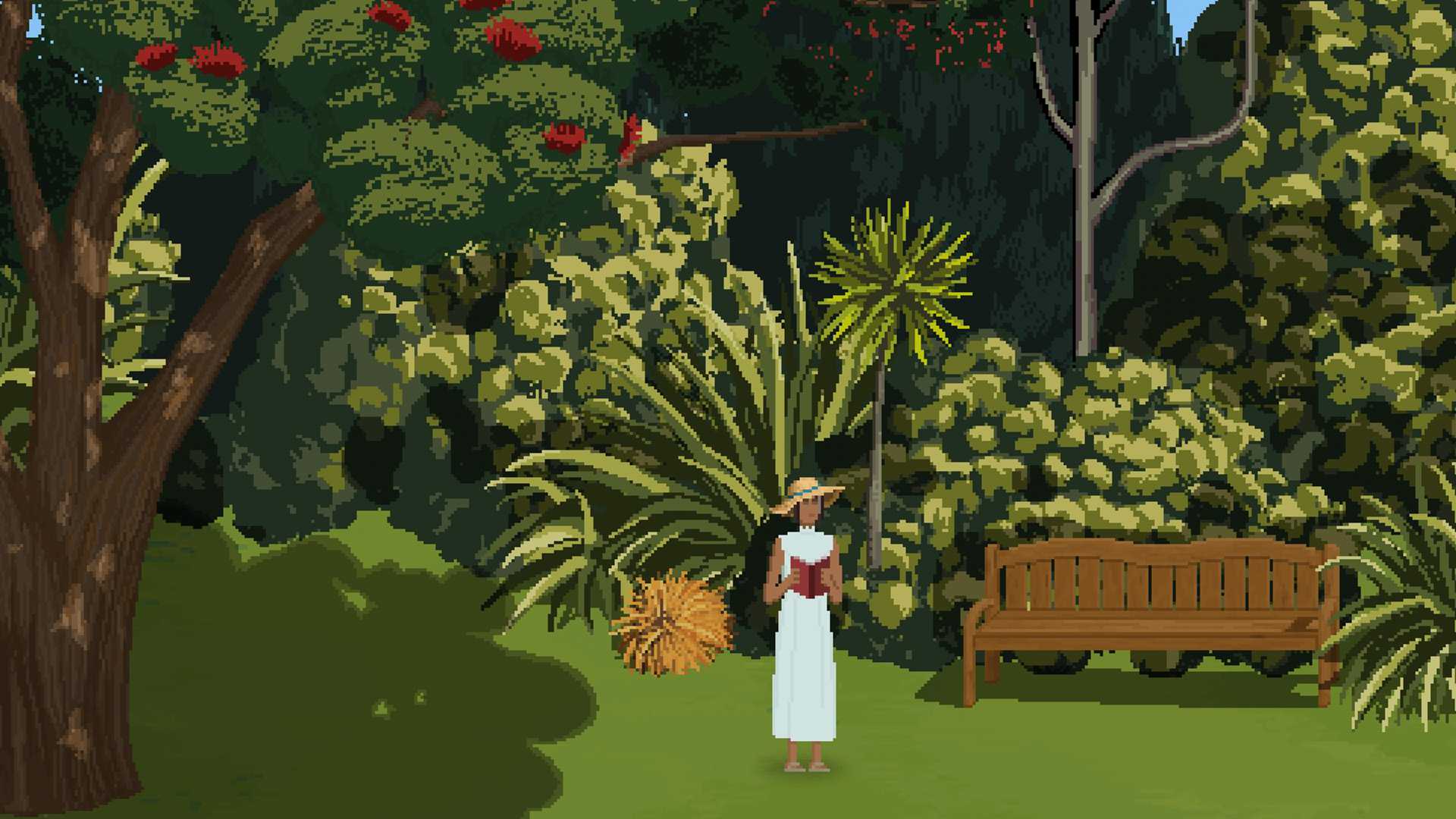
Daniel GonzálezIt was both a huge technical challenge and a relief. A challenge because we switched to working in Unreal Engine, but a relief because I felt it was important for this project to have certain creative elements, such as 3D environments, dynamic lighting and post-processing effects, to make it very cinematic.
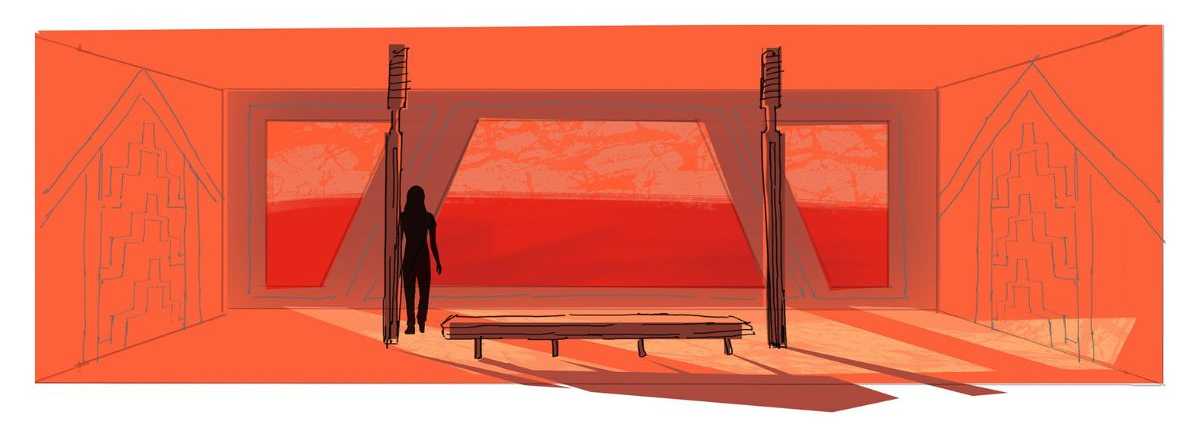
However, 85% of the work is still artisanal pixel art, and we've dedicated hundreds of hours to it. Almost everything we see in the 3D environments consists of sprites, with just a few small 3D elements. So, yes, my colleague Alicia and I continue to put in countless hours painting pixel art. It's something we're passionate about!
However, 85% of the work is still artisanal pixel art, and we've dedicated hundreds of hours to it. Almost everything we see in the 3D environments consists of sprites, with just a few small 3D elements. So, yes, my colleague Alicia and I continue to put in countless hours painting pixel art. It's something we're passionate about!
"Kentucky Route Zero is the masterpiece of video game storytelling."
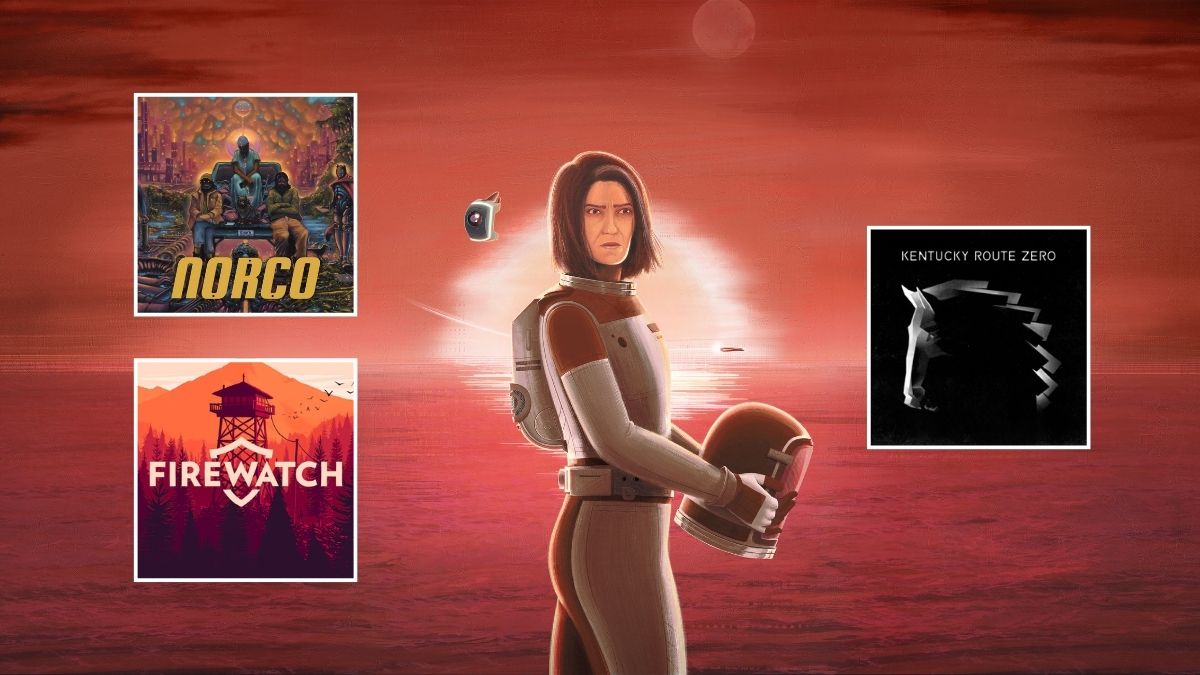
You've mentioned before that Syberia by Benoît Sokal was the game that first made you want to create video games. Since then, are there developers or designers you consider true role models – people whose work still shapes the way you think about game design today?
Daniel GonzálezMany! I try to learn from people who work with passion. Lately, I've focused more on screenwriters for movies and TV shows. However, there are also many video game studios that inspire me and stimulate my creativity.
The work of the creator of the game Norco has impressed me the most in recent years. Other games that influence my creativity are Kentucky Route Zero, which I consider the masterpiece of video game storytelling, and Firewatch, a game that marked a major turning point for me.
The work of the creator of the game Norco has impressed me the most in recent years. Other games that influence my creativity are Kentucky Route Zero, which I consider the masterpiece of video game storytelling, and Firewatch, a game that marked a major turning point for me.
"You get so caught up in your projects that you don't have time to play."
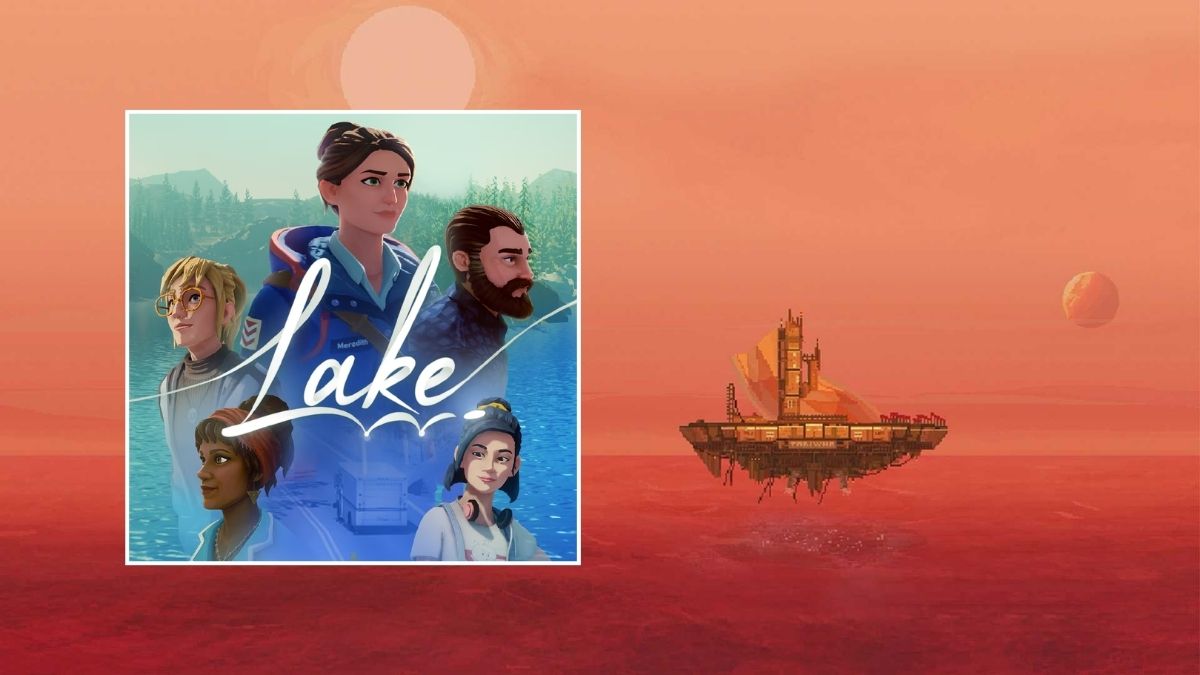
Developing a psychological thriller about altered memories and lost identity sounds like it could get pretty heavy. What are you playing right now to decompress? And does it ever happen that a game you play "just for fun" ends up sneaking an idea into Red Dreams?
Daniel GonzálezHave you heard of the indie developer paradox? You start developing games because you're passionate about gaming. However, you get so caught up in your projects that you don't have time to play.
Add a seven-year-old daughter to the mix, and the result is that I play very little. So, I try to be selective about the games I play.
One game that helped me during a time of intense creative pressure was Lake, a very contemplative and gentle game.
Many things find their way into Red Dreams – it's natural. You might suddenly see something you like that gives you an idea, or you might find a solution for a dialogue you've been stuck on while watching a movie.
Add a seven-year-old daughter to the mix, and the result is that I play very little. So, I try to be selective about the games I play.
One game that helped me during a time of intense creative pressure was Lake, a very contemplative and gentle game.
Many things find their way into Red Dreams – it's natural. You might suddenly see something you like that gives you an idea, or you might find a solution for a dialogue you've been stuck on while watching a movie.
"Our memory system isn't designed to be reliable."
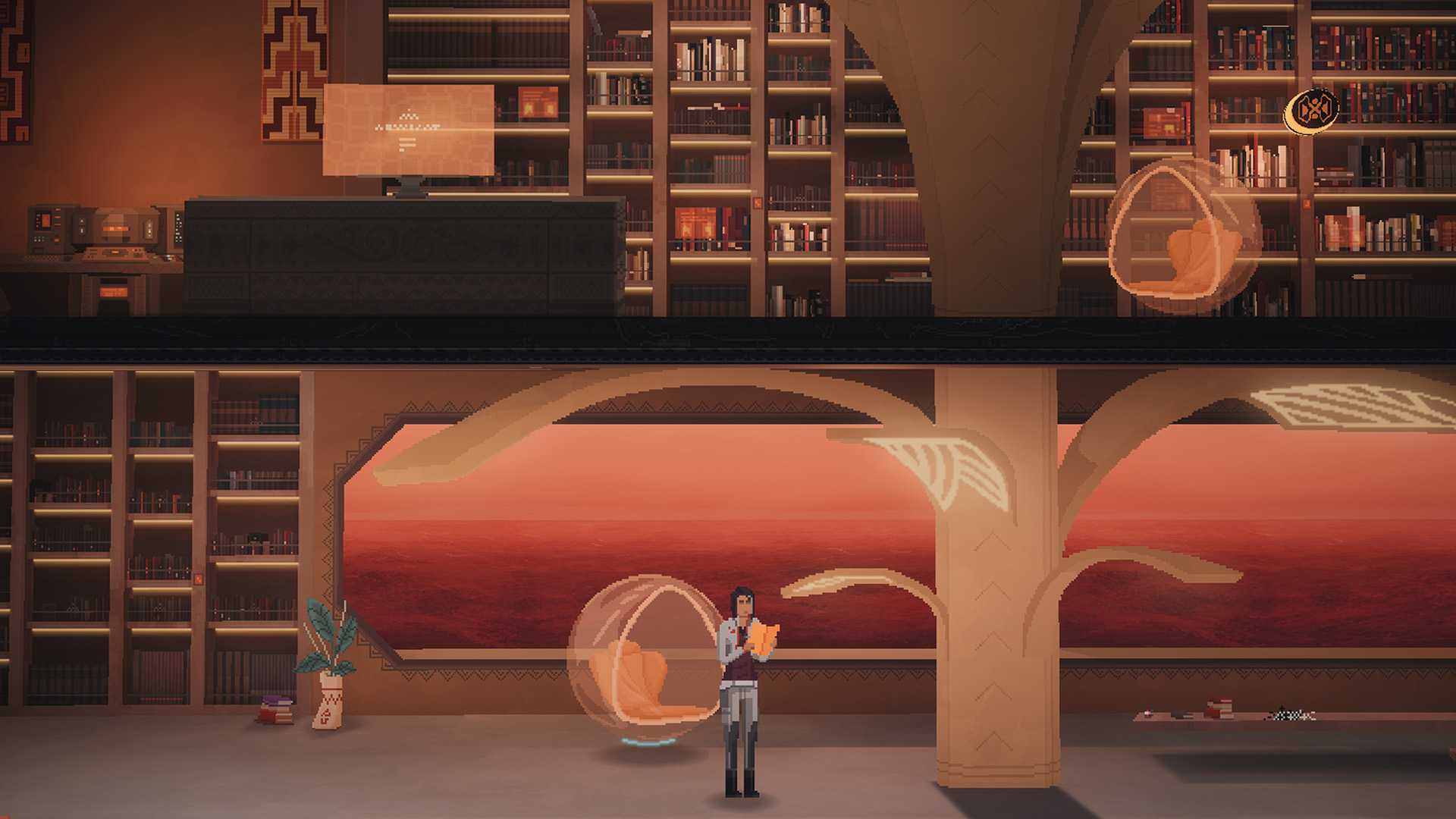
Red Dreams deals with altered memories, dreams rewriting reality, and a heroine who can no longer trust her own recollections. On a personal note: does it ever happen to you that you can't tell whether a game design idea genuinely came to you in a dream – or whether you dreamed it up after the fact?
Daniel GonzálezMaybe not in my dreams, but I have a really hard time remembering things clearly, especially placing them in time. If I let an idea sit in my head for too long without writing it down, it changes over time, and I forget what it used to be like.
I know this because I've spent years trying to write everything down. I thought I was being clear, but when I read what I wrote a few months ago, it was completely different.
This is one of the things that led me to write Red Dreams: We have marvelous brains, but our memory system isn't designed to be reliable. Is this a flaw in the system, or is it actually the ideal system for humans?
I know this because I've spent years trying to write everything down. I thought I was being clear, but when I read what I wrote a few months ago, it was completely different.
This is one of the things that led me to write Red Dreams: We have marvelous brains, but our memory system isn't designed to be reliable. Is this a flaw in the system, or is it actually the ideal system for humans?
"As storytellers, we have thousands of insecurities."
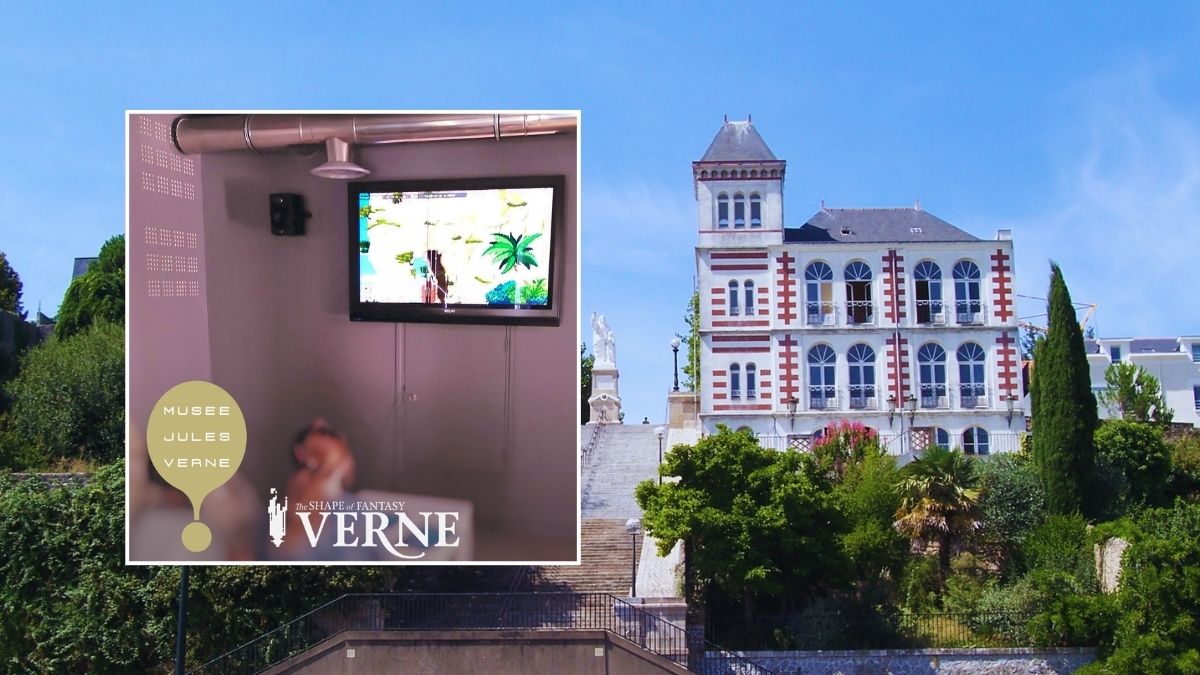
Since our last conversation in 2024, Verne: The Shape of Fantasy ended up in a museum in Nantes – which doesn't happen to every game. With that journey behind you, what's your mindset when starting a new project? Do you go back to square one, or do you arrive with your pockets full of hard-won certainties?
Daniel GonzálezHaving our game about Verne: The Shape of Fantasy exhibited at the Jules Verne Museum in Nantes was a huge success for us. It validated our efforts.
As storytellers, we have thousands of insecurities. You can never be sure whether your work is crap or actually good.
There will always be criticism, but thanks to support from institutions like the museum, we're more confident that our work is good – or at least that our love and attention to detail is appreciated.
As storytellers, we have thousands of insecurities. You can never be sure whether your work is crap or actually good.
There will always be criticism, but thanks to support from institutions like the museum, we're more confident that our work is good – or at least that our love and attention to detail is appreciated.
"What makes us human?"
From Jules Verne: The Shape of Fantasy to an exoplanet in 2199, there's clearly something at the heart of Gametopia that's drawn to worlds where reality and imagination blur together. Does Red Dreams close a chapter, or can we already start dreaming – red or otherwise – about a next project in the works?
Daniel GonzálezThere are definitely more projects! We're going to continue jumping back and forth in time, but with one common question: What makes us human?
Thank you so much for this opportunity to talk about Red Dreams. We're grateful for the way you've always treated us ❤️.
Thank you so much for this opportunity to talk about Red Dreams. We're grateful for the way you've always treated us ❤️.